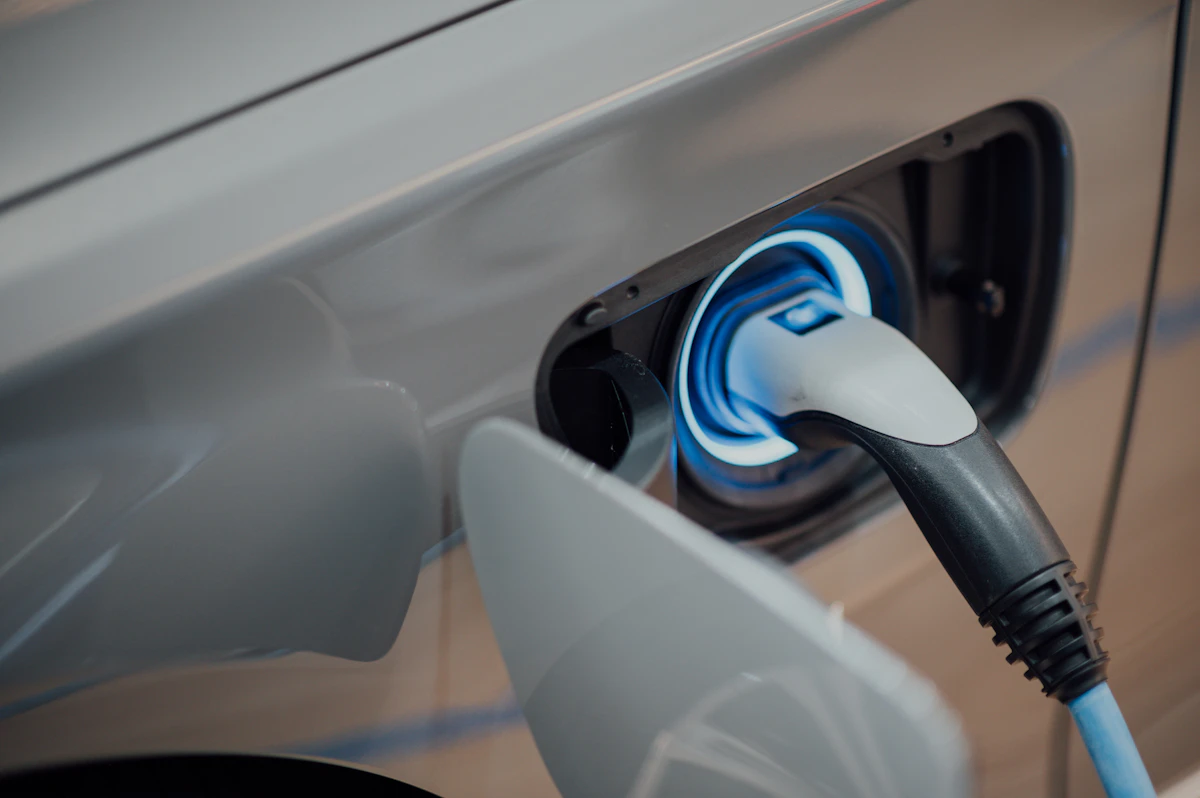
Home charging is one of the main reasons many drivers enjoy electric cars. You park, plug in, and start the next day with a full battery, without a special trip to refuel. Yet the charger itself is only part of the setup. Where you park, what electrical supply you have, who installs the equipment, and how you will use it day to day all matter. Sorting those questions before you buy anything will save time, money, and frustration.
This guide is about preparation, not about choosing a specific product. Every home is different, and electrical work must be done safely by a qualified person who understands local rules. The aim here is to help you ask the right questions, gather the right information, and arrive at a clear plan with your installer. If anything in this guide conflicts with advice from a qualified electrician or local rules, follow the qualified advice and the local rules.
Start With Where You Park and How You Drive
Begin with the parking place itself. Is it a garage, a driveway, a shared car park, or street parking? A charger needs a safe, dry, and accessible place, with a cable route that does not create a trip hazard or cross a public path. Measure the distance from the likely charger position to where the car will actually park, and think about which side of the car the charging port is on. A cable that is too short, or that must stretch across a walkway, will annoy you every day. A cable that is neatly routed and easy to handle will become part of a simple routine.
Consider who else uses the space. If more than one car will charge, or if the parking place is shared, you need a plan that works for everyone. If you rent your home, you need permission from the landlord or building owner before any fixed installation, and you should get that permission in writing. If you live in an apartment building, the building rules, shared electrical supply, and parking allocation may all affect what is possible. Sorting permission early prevents a charger being installed and then removed, or a dispute with neighbours that could have been avoided.
Check Your Electrical Supply Before You Buy Anything
Your home electrical supply determines what is safely possible. An installer will need to know the type of supply, the capacity available, and what other large electrical loads your home already has. This is not a job for guesswork. A qualified electrician should inspect the consumer unit, the wiring, and the earthing arrangements, and should explain what capacity is available and whether any upgrades are needed. Do not assume that because a socket exists, it is suitable for regular car charging.
Ask the installer to explain the options in plain language. There is a difference between using an existing domestic socket for occasional, slow charging and installing a dedicated charging unit for regular use. A dedicated unit is normally the safer and more convenient choice for daily charging, because it is designed for the job and can include safety features for the purpose. Your installer should explain the charging speed you can expect in ordinary use, how long a typical overnight charge will take for your pattern, and whether the installation will need any changes to your electrical system.
Safety checks are not optional extras. The installer should check for correct protection against faults, suitable cabling, and a safe route for the cable. They should also explain any local notification or approval requirements, and provide the paperwork for the work when it is complete. Keep that paperwork safe, because you may need it if you sell the home, make an insurance claim, or have the installation inspected later. For general background on energy in the United States, the US Department of Energy is an official source to start from, but local rules and your installer remain the authority for your home.
Choose the Charger and Installer With Care
When you choose a charger, focus on fit rather than features. Ask whether it works with your car, whether the cable length suits your parking place, and whether the controls are simple enough to use every day. Some chargers offer scheduling, so the car can charge at times that suit your electricity tariff or your routine. Others offer simple plug-and-go operation. More features are not always better; a simple, reliable unit that you understand is often the best choice. Ask the installer to demonstrate the controls before they leave, and make sure you know how to stop a charge and how to check that charging is working.
Living With Home Charging Day to Day
Once the charger is installed, build a simple routine. Plug in when you return home, if that suits your pattern, and check that charging has started before you walk away. Learn how to read the charger display or app, and learn what the lights or messages mean. If you use scheduled charging, test it on a normal night before you rely on it for a long journey the next day. A routine that you can follow when you are tired is the routine that will work.
Look after the cable and the charging port. Keep the cable off the ground where possible, avoid driving over it, and keep the connector clean and dry. Check the cable and the charger for damage regularly, and stop using the equipment and contact the installer if you see damage, overheating, or unusual smells or sounds. Do not attempt to repair electrical equipment yourself. A quick visual check each week takes seconds and can catch a problem early, before it becomes a safety issue.
Finally, review your costs and your routine after a few weeks. Check your electricity use, check whether scheduled charging is working as you expected, and check whether the setup still fits your driving pattern. Small adjustments, such as changing the charging schedule or moving the cable route, can make a good setup feel effortless. Home charging should fade into the background of daily life. If it still demands attention every day, talk to your installer about what can be simplified. The best home charging setup is the one you barely notice, because it simply works.